- Cider houses and seafood gathering
- Beloved homeland of Asturias, Omelettes
- octopus, and grilling at Merenderos
FOOD TOUR ASTURIAS
The Garden of Eden of the Iberian Peninsula
Asturias, infinitely green
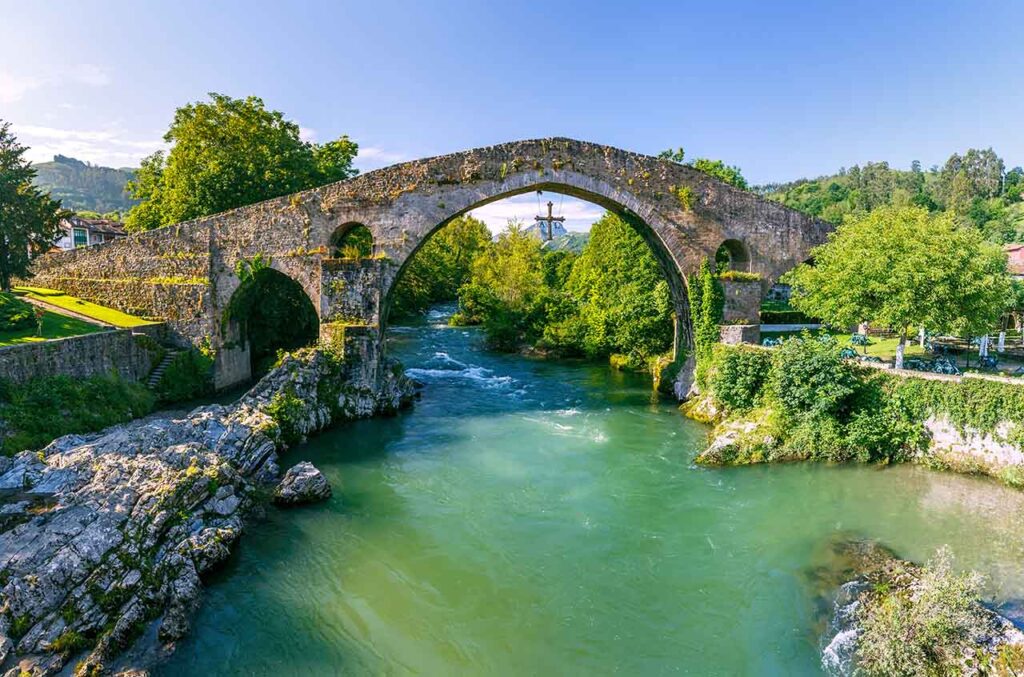
In this natural paradise, the mountains of the Cantabrian range paint green landscapes all the way to the Cantabrian Sea, leaving behind unmatched gastronomic wealth. In the heart of northern Spain, we find this region where numerous jewels are hidden in the form of regions, valleys, mountains, and fishing villages. With its steep terrain, Asturias will take our breath away, showcasing its beauty and abundant gastronomic richness.
The Asturians will make us feel as if they’ve known us all our lives, guiding us to discover the best corners of their realm through their innate warmth and hospitable character, sharing everything they can with travelers.
From the hidden region of the Oscos to the depths of the Cabrales caves, through the cliffs shaped by the Cantabrian Sea that bathes its entire coastline, Asturias will impress everyone and leave an enduring mark on the way of understanding life. Long live Asturias!
Among "Llagares"
Besides being a natural paradise, it is a true gastronomic paradise where we can discover products, recipes, and customs unique that we won’t find anywhere else in the world.
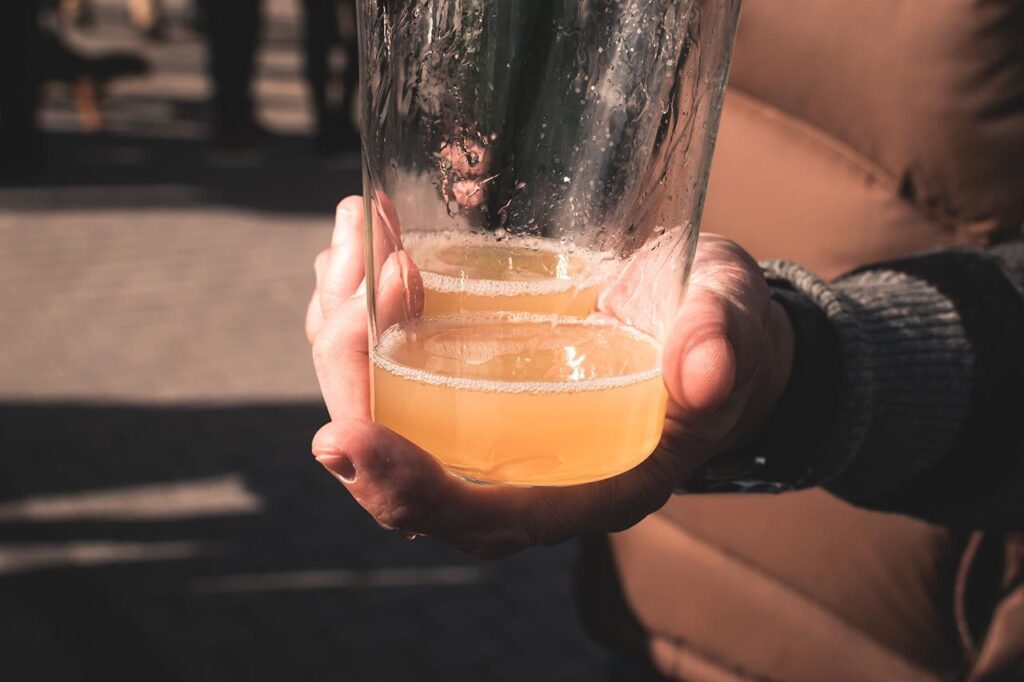
We will uncover the secrets of its apple trees and cider presses, where its liquid gold, the Cider, is fermented. At the bars of the cider houses, we can indulge in dream feasts based on velvet swimming crabs, winkles, and limpets.
In its rivers, the fishermen will show us their technique to catch the Campanu, the first salmon of the season, which fetches astronomical prices at auctions due to its importance.
Asturian Cheeses
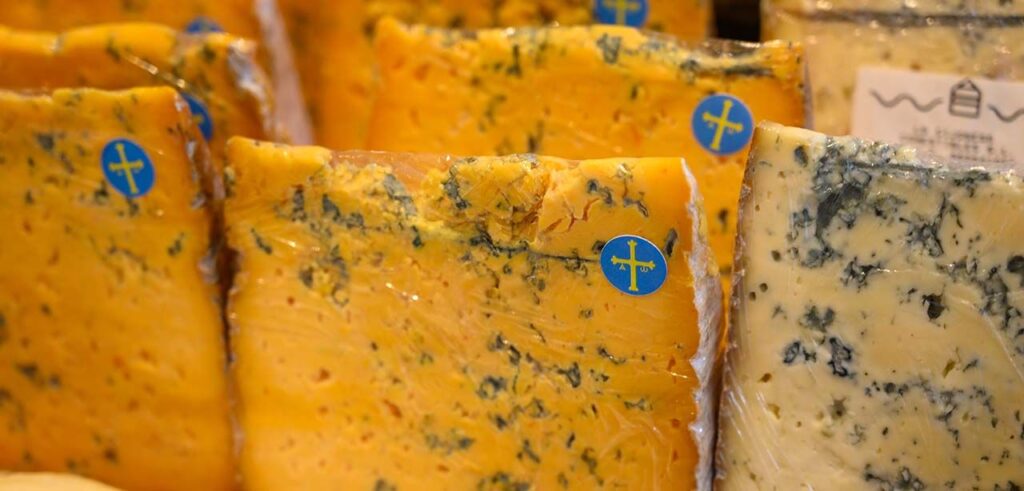
We will delve into the depths of its caves to discover one of the finest blue cheeses on the continent, the Cabrales Cheese.
In addition to Cabrales, Asturian cows, thanks to their extensive pastures where they graze, offer us excellent dairy products such as butter and other cheeses that match the quality of Cabrales, such as Afuega’l Pitu, Casín, or Gamonéu. We will learn all the secrets to make our own cheese.
Pitu Caleya, fabada, and seafood
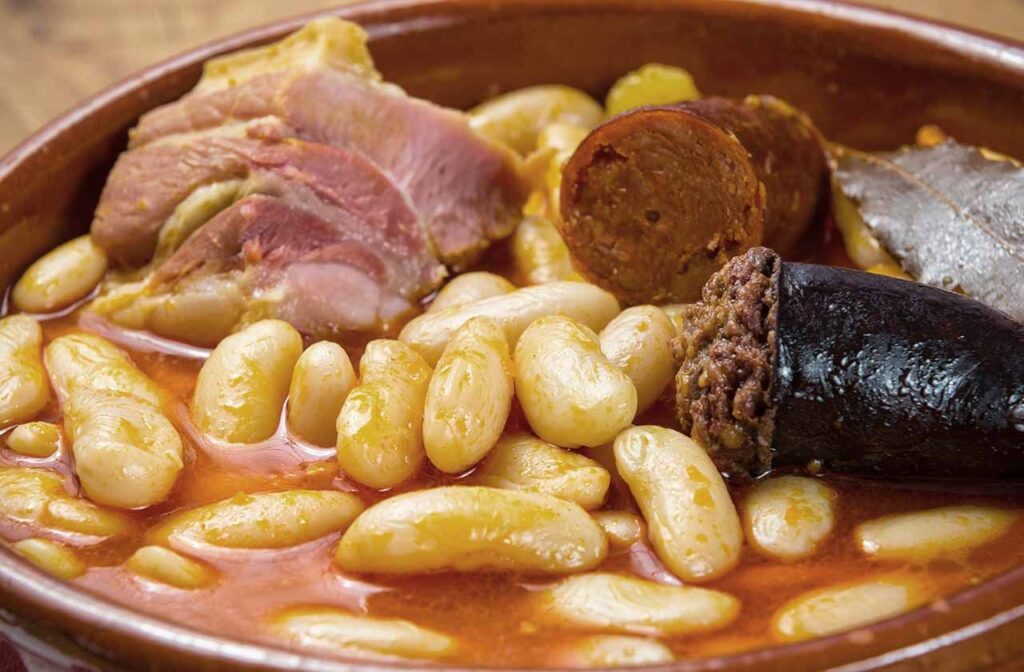
In the small villages of the eastern region of the Principality, we will cook and understand why Pitu Caleya is considered one of the best chicken meats for stewing in the world. But when it comes to hearty dishes, the “fabada” reigns supreme, as simple as it is complex: blood sausage, bacon, and Asturian chorizo along with the IGP-certified “fabe” beans from Asturian farms are the ingredients with which we will create this delicious and hearty dish.
Asturias is a land of fish and seafood; the “virrey” fish is one of the species that reaches excellence in these waters. Not to mention the “bugres” and “pixines,” as well as “parrochas” and bonitos during the summer season. Cooks and fishermen will teach us the best ways to prepare these products.
Asturias itinerary
Duration: 6 days / 5 nights
Day 1: Gijón, embracing the enjoyment of life attitude
Day 2: Llagares, fabes and Lastres
- Visit to a cider press, Tastings of Asturian cider and cheeses
- Preparation of Authentic Asturian Bean Stew
- Frisuelos (thin pancakes) and Casadielles (pastries)
- Lastres, a maritime character
Day 3: Canned goods and embers of the sea
- Ribadesella
- Smoked “lateos” (Preserve cans)
- “Virrey” fish and seafood cooked over fire Fish
- Unloading and auction
Day 4: Ascending the Sella River in search of "Pitu Calella"
- Canoeing on the Sella River
- “Pitu Caleya” chicken with rice or stew; the debate is on
- Asturian rice pudding
- Cider press in Cangas National Parador
Day 5: Gamoneu, La Santina, and Cabrales
- Gamoneu
- Visit to La Santina of Covadonga
- Stroll around the lakes of Covadonga
- Caves and Cabrale
- Cuevas y Cabrales
Day 6: Fishing for the "Campanu"
- Llanes visit and stroll
- Fish from the fish market
- Unique beaches
- Salmon fishing