- Haro and barrio de la estación
- Laguardia
- Pintxos on calle laurel
FOOD TOUR BASQUE COUNTRY
One of the regions with the strongest culinary heritage in Europe
Culture, tradition, and character shape this ancient land
Located in the northern part of the Iberian Peninsula, the Basque Country connects the golden vineyards of Rioja Alavesa with the imposing cliffs of the Cantabrian Sea. It’s a journey through intricate valleys, filled with ancestral farmhouses where gastronomy is authentic, and life is celebrated by embracing the generous gifts of the land. This region reaches out to France with a blurred border, extending its rich culture, customs, and traditions beyond the Bidasoa River.
This area welcomes visitors with Aurresku dances to the rhythm of the Txistu, where any occasion is suitable for an impromptu bertsolari verse. Rural and traditional life intertwines with the modernity and innovation of its three capitals. Three distinct provinces, each with its own allure, yet sharing authenticity, language, and identity
Basque Country will leave you anything but indifferent.
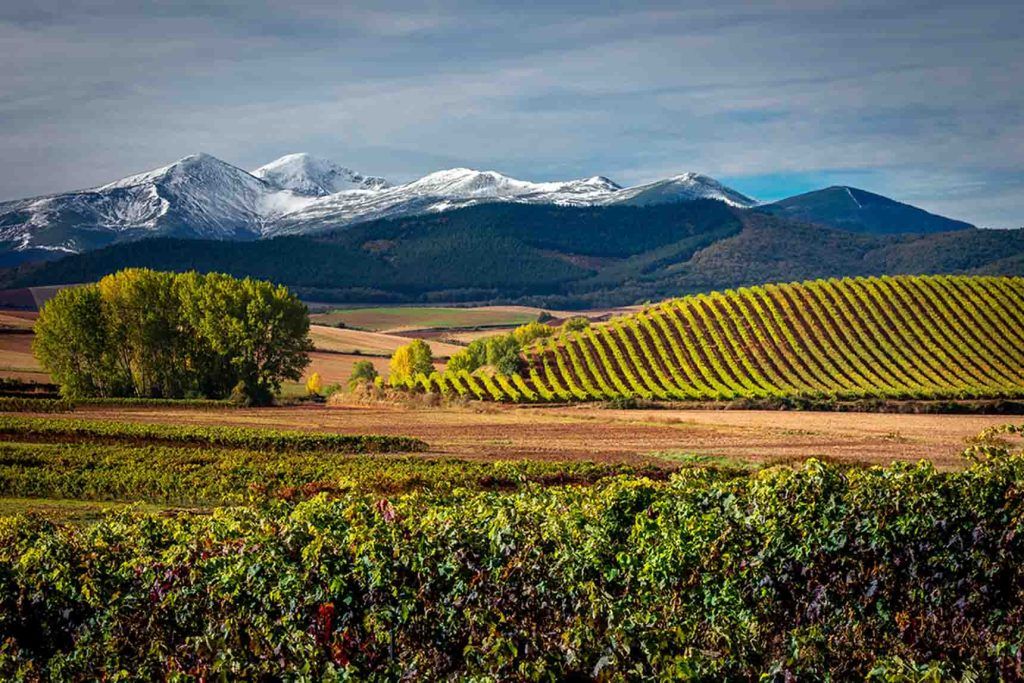
Rioja Alavesa at the foothills of Sierra Cantabria
The Basque Country is widely known for its culture and landscapes. But if that weren’t reason enough to visit this magnificent land, its cuisine enjoys international prestige and becomes, for many, the sole reason to journey to this region.
When it comes to discussing culinary tourism in Basque Country, let’s begin from its southernmost part: La Rioja Alavesa. Sheltered by the imposing Sierra Cantabria, it offers a unique sensory journey. Vineyards that produce some of the finest wines in Europe, caves, medieval villages, and traditional grilling establishments await us in this extraordinary region.
Truffles, honey, and Idiazábal cheese
Continuing northward within the province of Álava, we can’t miss the opportunity to venture into the mountains to hunt for the finest truffles. La melanosporum is the variety found in this area, perfect for enhancing our Idiazábal cheese tart.
In the Gorbeia Natural Park, we can become beekeepers for a day and discover the importance of bees to the ecosystem, while also extracting, tasting, and pairing the delightful product: honey.
As we delve into the valleys of Guipuzkoa, we can savor the marvelous Idiazábal cheese, as well as create our own cheese and learn how cheesemakers shepherd their sheep (Latxas and Carranzanas) through the lush pastures of this region.
Cider houses and Txakoli
With the shout of ‘Txotx!’ we’ll rise from our table, leaving our typical Cider House menu for a moment to taste the cider from the next Kupela (barrel). This ritual repeats throughout the meal. Going to cider houses in Guipuzkoa is a must-do on your gastronomic journey through the province if your visit falls between January and April, the cider house season.
However, if you’re more inclined towards wine and prefer wine tourism, the Txakoli Designation of Origin (DO) provides options for you to compare. Each Basque province has its own regulatory council for this magnificent wine, which has been establishing itself as a high-quality white for many years, capable of elegantly accompanying the great dishes of this region.
Pintxos, beans, and grilling restaurants
Pintxos in Euskadi are a religion, and in your gastronomic journey, visits to any local bar or capital city are essential to taste the seasonal pintxos: txangurro, mushrooms, squid, piparras, and bonito are just some of the products you must try if you’re in the corresponding season in the Basque Country.
Tolosa Beans, along with Ibarra piparras, are two products from the center of Guipúzcoa that you shouldn’t miss.
In the fish grilling restaurants along the Guipuzcoan coast, ‘besugueras’ were created—fish-shaped steel tools that are highly useful for grilling whole pieces of fish over embers and easily flipping them. This fact confirms the perfection of the technique for grilling whole fish on the Basque coast. Where to find the best fish grilling restaurants? A good hint: Guetaria and Orio.
Biscay, Farmhouses, and Fishing Villages
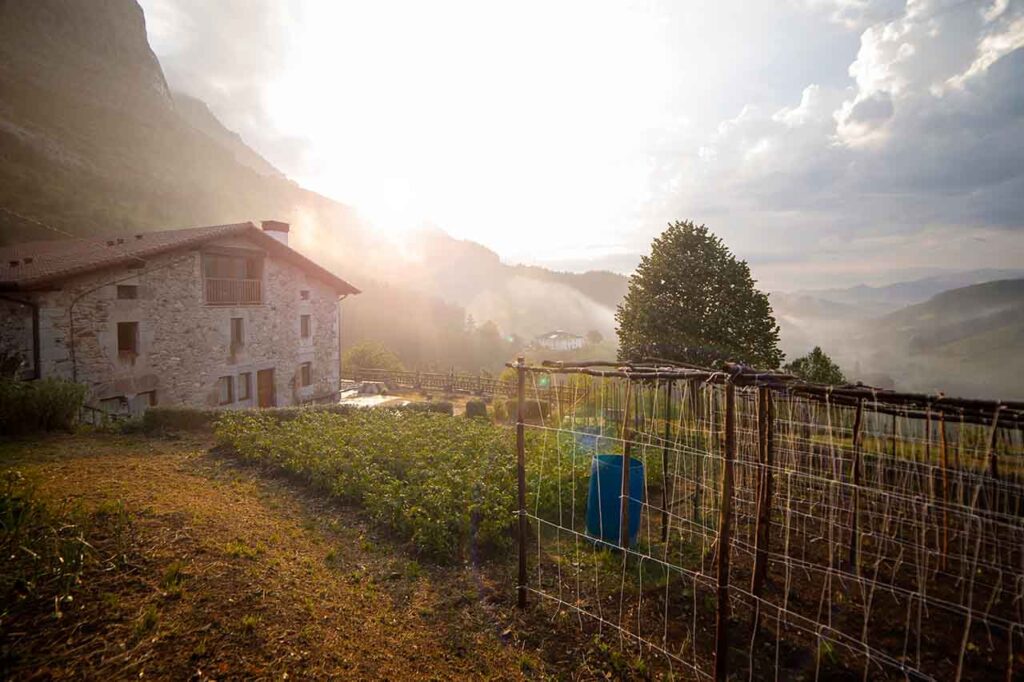
Continuing through Biscay, the best gastronomic route is that of its ‘caseríos’ (traditional farmhouses). These large and established eating houses were once dedicated to farming and livestock activities. Today, they have transformed into true culinary temples, where you can find the best grilled ‘txuletas’ (steaks). However, it would be unfair to highlight these spaces for just one dish, as they offer a truly refined gastronomic experience where tradition and innovation are balanced in a surprising way.
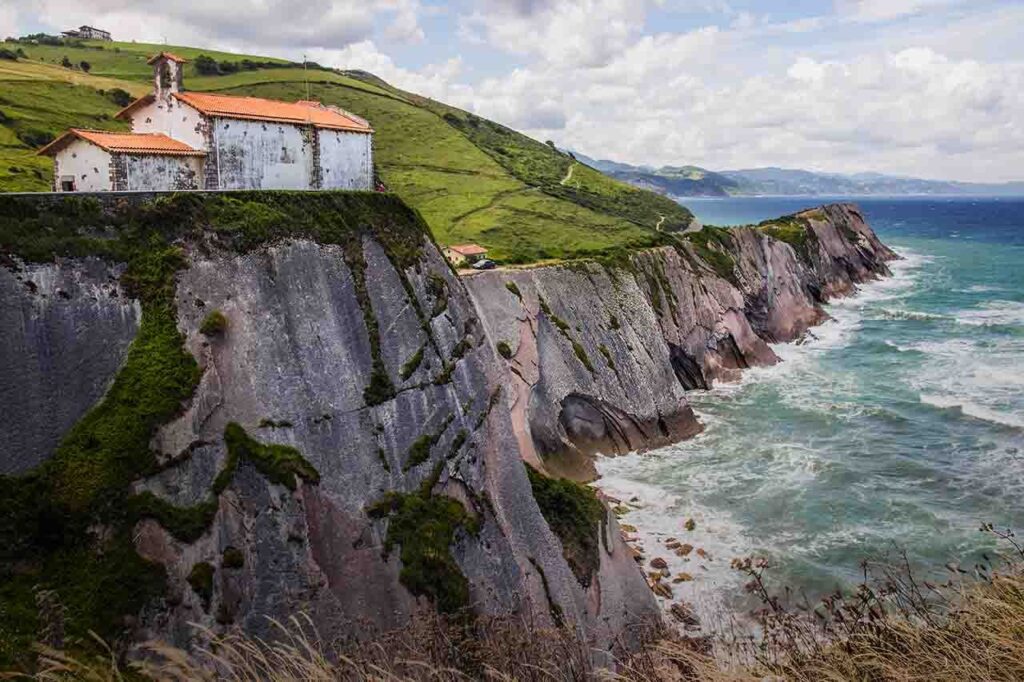
While the province’s interior is worth exploring, the rugged and dramatic Biscay coastline is equally captivating. Apart from spectacular landscapes and charming villages, you’ll discover a cuisine focused on grilling and seafood, where the quality of what’s served on the table is always guaranteed.
Continuing our gastronomic journey along the coast, we must stop in Bermeo, home to one of Spain’s most important canning industries. Here, you can appreciate and taste firsthand the artisanal work carried out by these family-owned companies
Basque Country Itinerary
Duration: 7 days / 6 nights
Day 1: At the foot of sierra Cantabria, la rioja
Day 2: Countryside delights, Alava
- Beekeeping
- Truffle farming
- Grilling at Gorbeia
Day 3: Treasures in its valleys, Guipuzkoa
- Sheep herding and our own idiazabal cheese
- PDO alubias de tolosa (tolosa beans)
- Piparras from ibarra
- Tolosa, inland gastronomy
Day 4: Txotx! Guipúzcoa
- Ordizia market, thewall streetof basque products
- Txotx! Cider house
- Pintxos in the old town, San Sebastian
Day 5: Sea breams and vineyards, Guipuzcoan coast
- Zarautz, Getaria, and Orio
- Fish grilling: technique and tradition
- PDO Guetariako Txakoli
Day 6: Whispering to the embers, Bizkaia
- Etxebarri
- San Juan de Gaztelugatxe
- Canneries and Bermeo fish market
Day 7: Tradition and avant-garde, Bilbao
- Farmstead visit
- Guernika peppers
- Pintxos in las 7 calles